Walk through any major renovation of a mid-century office building. You will likely find a section the original architect got right. Often it is a wall of glass blocks.
The material has outlasted three generations of facade trends. It is doing so again today on hospitality, healthcare, and retail projects nationwide.
This is not a nostalgia story. It is a specification story.

The Problem Glass Blocks Actually Solve
Commercial projects rarely fail on aesthetics alone. They fail on tradeoffs.
A designer wants daylight, but the code demands fire rating. A developer wants privacy for a spa or a clinic, but the budget cannot absorb custom frosted glazing. A facility manager wants security at grade level, but the client wants the building to feel open, not fortified.
Glass blocks solve more than one of these problems at once. That is why they keep showing up on architect specification sheets.
You see them listed for restaurants.
You also see them listed for boutique hotels.
They appear on sheets for medical offices.
They also appear on sheets for parking structures. One product line supports daylighting, fire separation, security, and acoustic control without stacking four separate systems in one wall.
Where the Demand Is Coming From
Three project types are driving renewed interest.
Hospitality. Boutique hotels and restaurants want a signature wall that photographs well and never goes out of style.
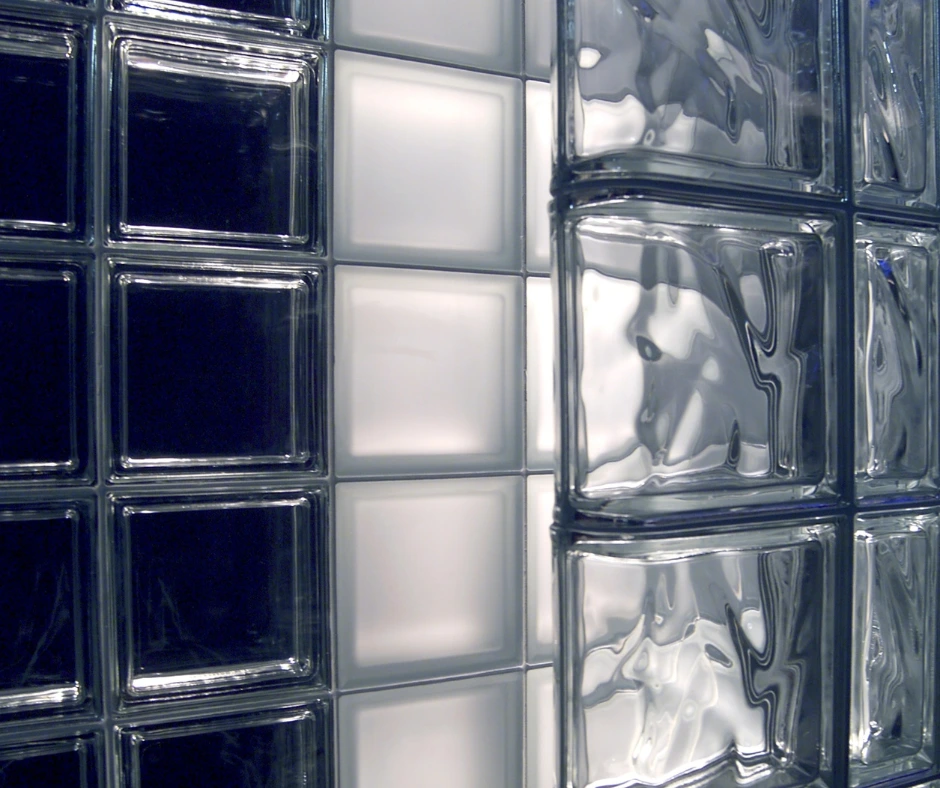
Glass blocks give designers a textured surface that diffuses light. They feel intentional, not dated. This is true, especially with warm lighting and dark metal framing.
Healthcare and wellness. Clinics, dental offices, and spa facilities need daylight without direct sightlines. The Center for Health Design, at healthdesign.org, has published research linking daylight exposure in healthcare settings to patient and staff outcomes, including recovery and stress.
Privacy rules often ban clear glass in these spaces.
Glass blocks let designers bring daylight into patient areas without losing privacy.
They also avoid curtains, film, or blinds that need upkeep.
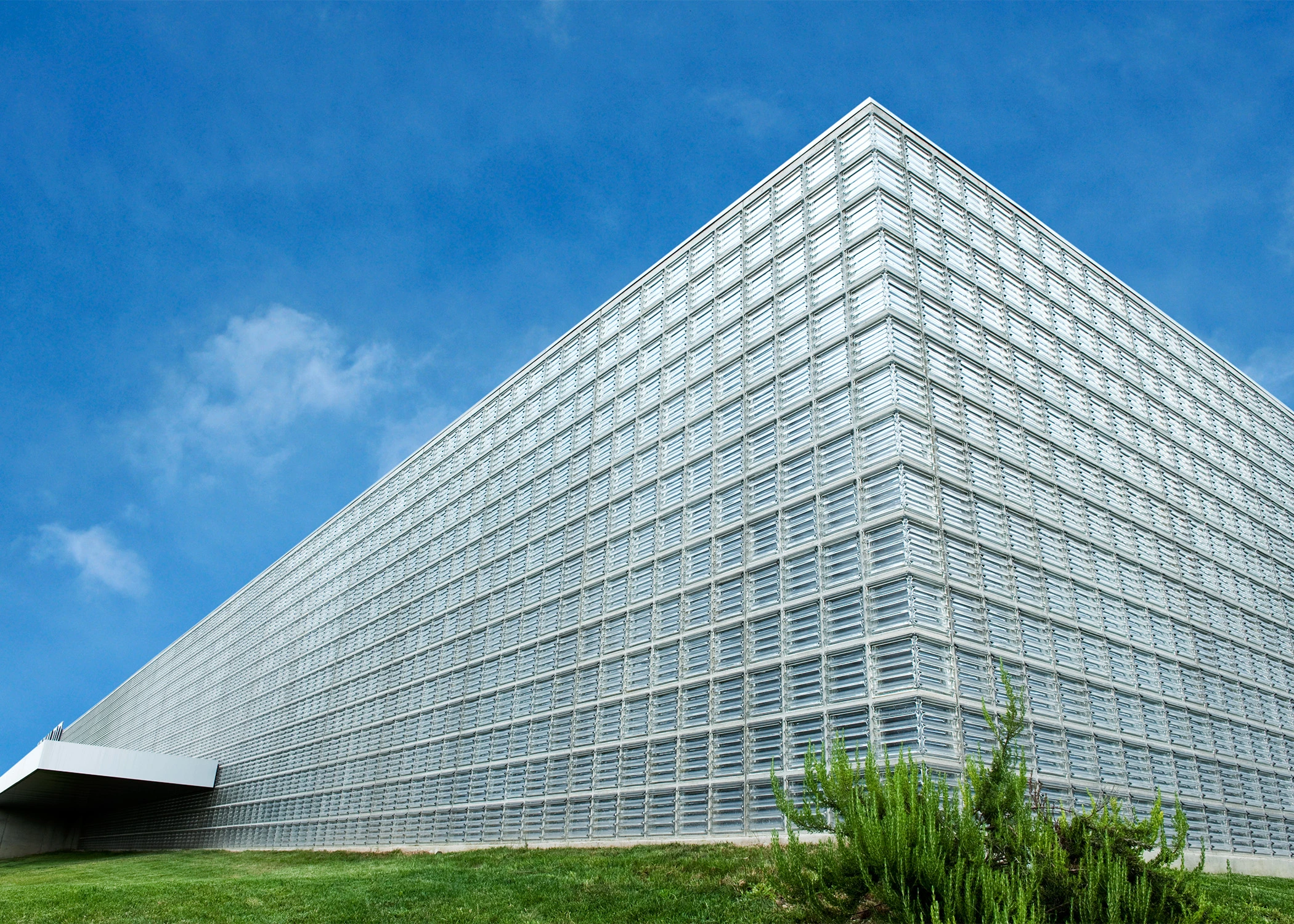
Parking and transit structures. Stairwells and elevator lobbies in parking garages must meet fire and security codes. They should still feel safe to use after dark.
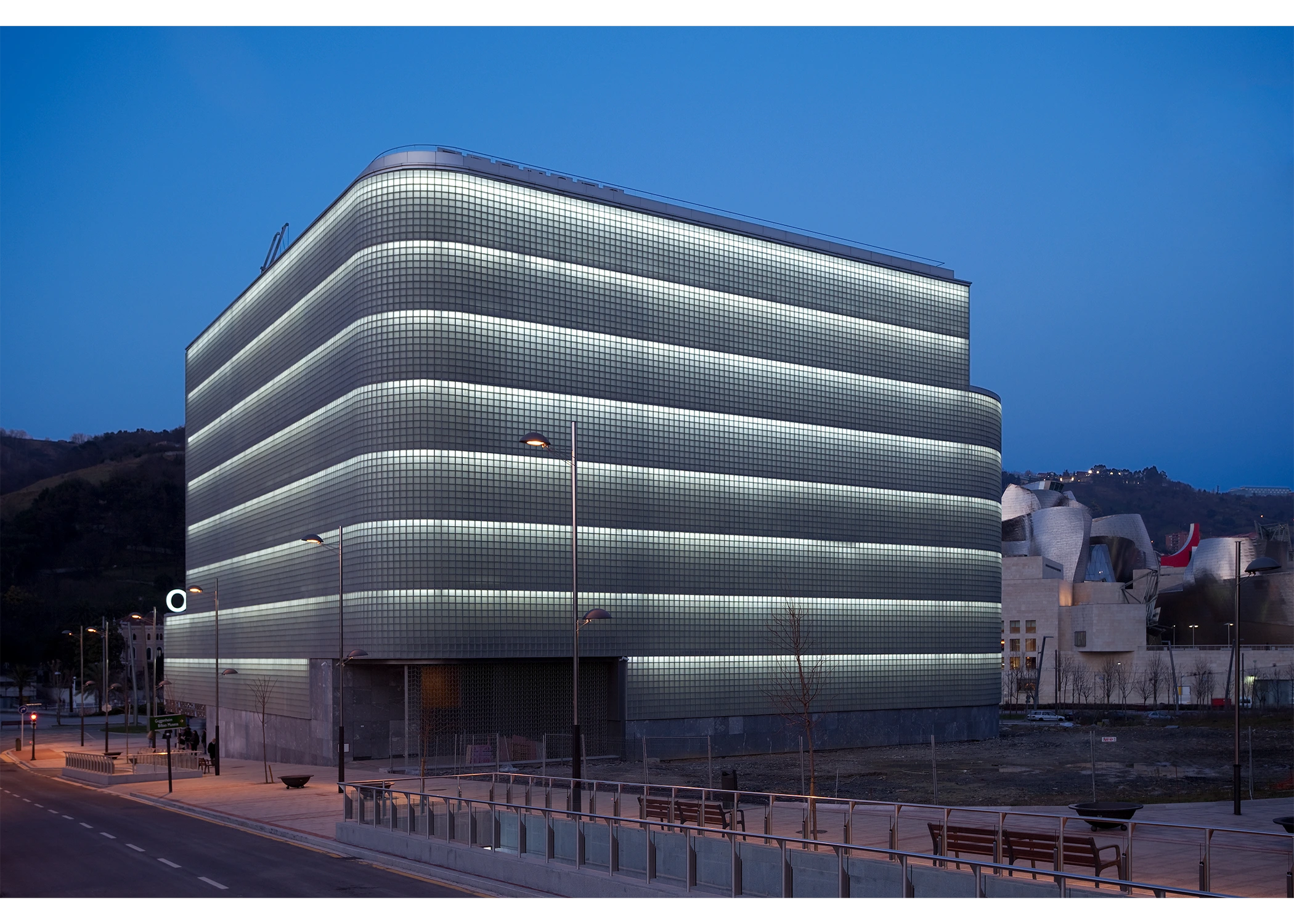
Glass blocks bring daylight into these spaces during the day. At night, they diffuse artificial light. This improves visibility that occupants can notice.

What Changes When You Specify Early
Projects get the most value from glass blocks when they are part of the design from the start.
They work best when they are not a late substitution.
Early specs let architects use the glass block wall as structure and light source.
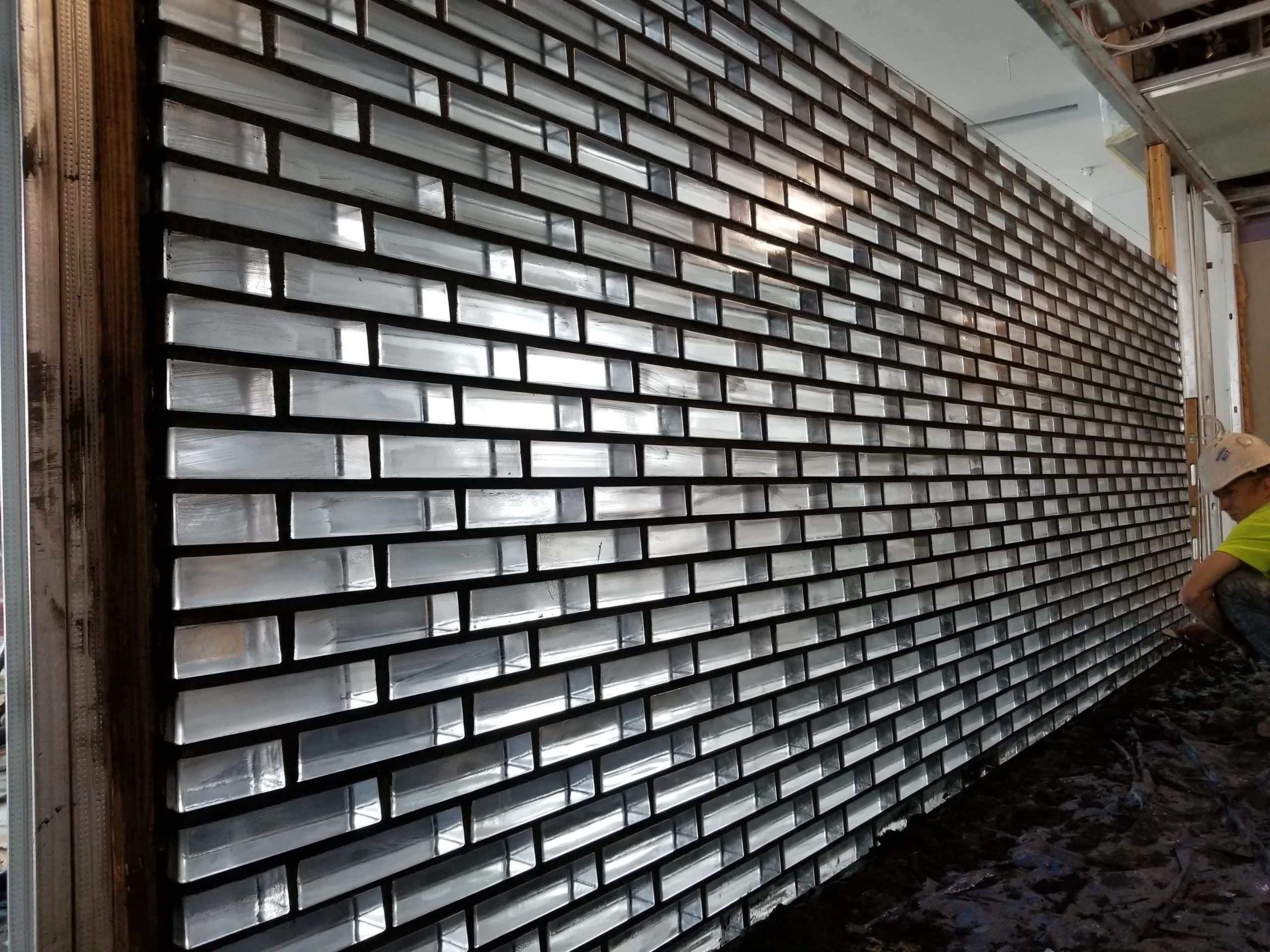
They did not add it as an infill panel after they set the envelope. It also gives contractors time to plan panel sizes, mortar joints, and steel reinforcement with the building schedule. They can avoid rushing to fit a nonstandard opening.
This is the advantage of bringing Seves into preconstruction conversations rather than waiting for construction documents. Glass block systems have known structural limits, known fire ratings, and known installation sequences. When those numbers are on the table early, they stop being unknowns later, which is exactly where late change orders tend to come from.
The Material Is Doing More Work Than It Gets Credit For
Glass blocks are often filed under finishes, next to tile and paint. On commercial projects, that undersells them.
A well specified glass block wall is closer to a building system. It carries fire rating requirements. It manages daylight without added HVAC load. It holds up to decades of cleaning and foot traffic in high use corridors without replacement.
That is the case for treating glass blocks as an early structural and lighting decision, not a late cosmetic one. The buildings that use them well are not chasing a trend. They are solving problems that clear glass, curtain wall, and drywall cannot solve on their own.
If your next commercial project has a daylighting, privacy, or fire separation challenge, ask if glass blocks fit sooner.