A window does not have to be a single pane of glass. Glass block offers another path. It lets light in and keeps views out. It adds texture and pattern to a facade.
With Seves glass block, architects and project teams can design a window that fits the space, the budget, and the look of the building. This post walks through how that works.
What Is a Glass Block Window?
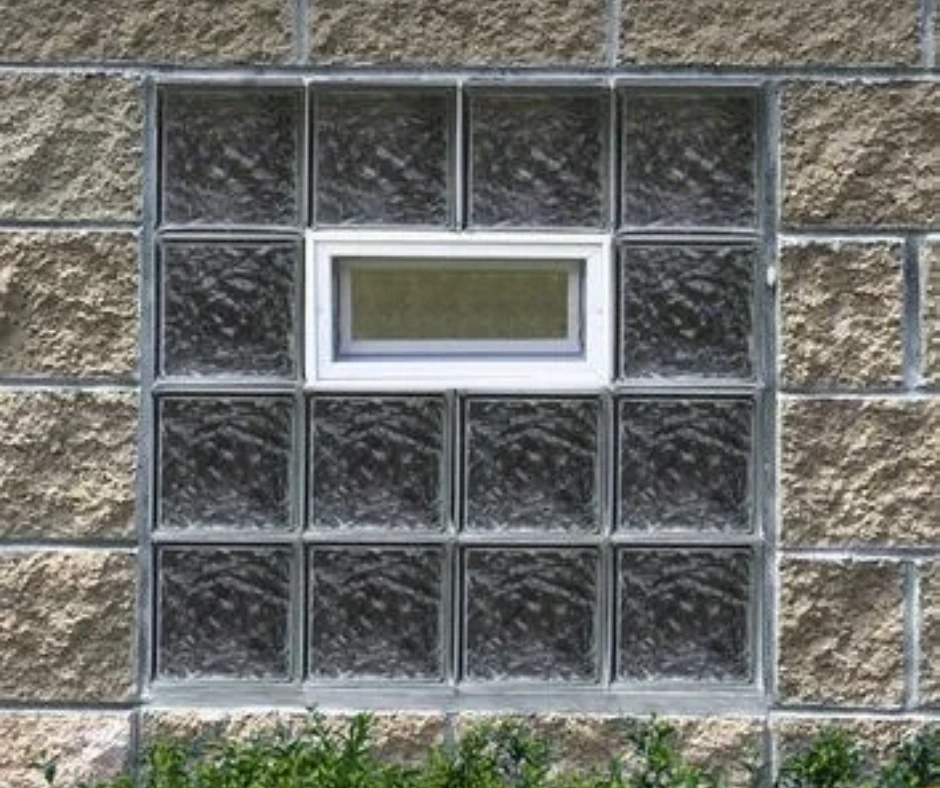
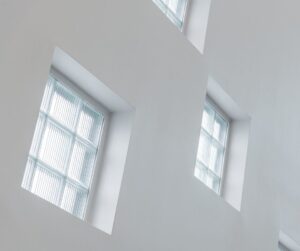
A glass block window is a panel of individual glass blocks set inside a window opening. Builders join the blocks with mortar or with a mortarless system. The panel then sits in the rough opening like any other window unit.
Workers build some panels on site. Builders construct others off site and set them in place as one piece.
The block itself does most of the design work. Its pattern controls how much light passes through. It also determines how much of the view blurs. Its color sets the tone of the space.
This is where Seves comes in. Seves glass block gives the design team the raw material to build a window that is truly custom.
Where Glass Block Windows Work Best
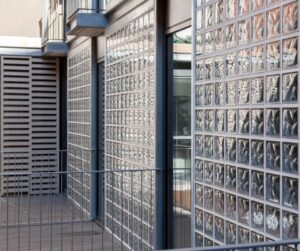
Glass block windows shine where a space needs light but not a view. Common uses include:
- Restrooms and locker rooms. Natural light comes in. Sight lines stay blocked.
- Stairwells. Tall, narrow openings bring daylight down through several floors.
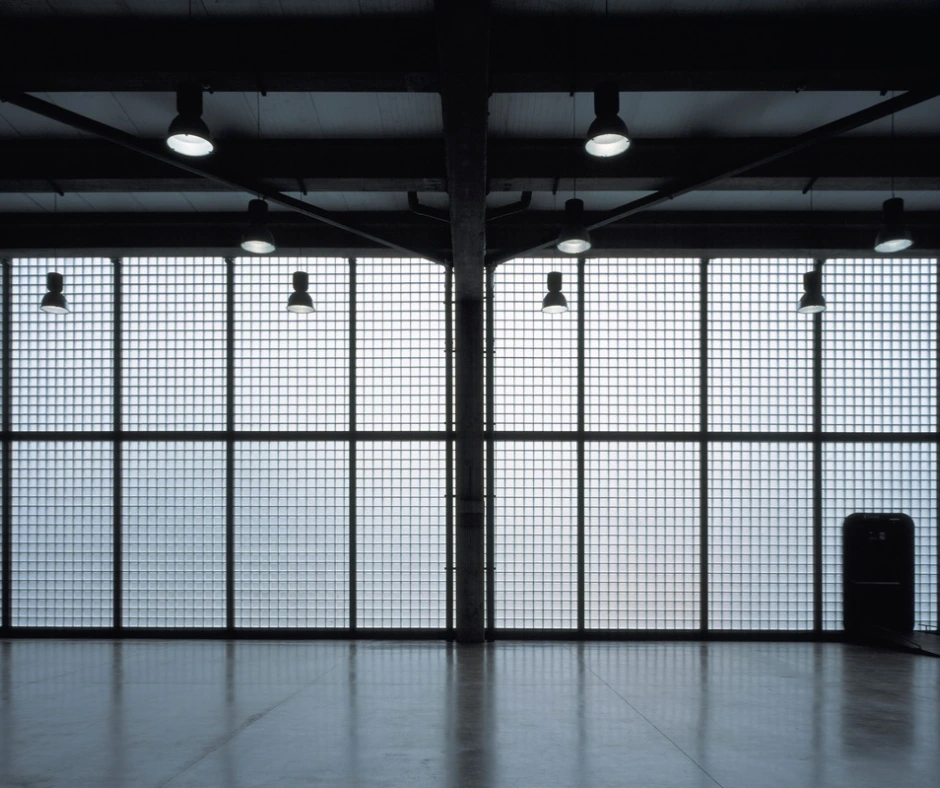
- Corridors and lobbies. Block windows add a glow without full exposure to the street.
- Healthcare and education spaces. Patients and students get daylight with added privacy.
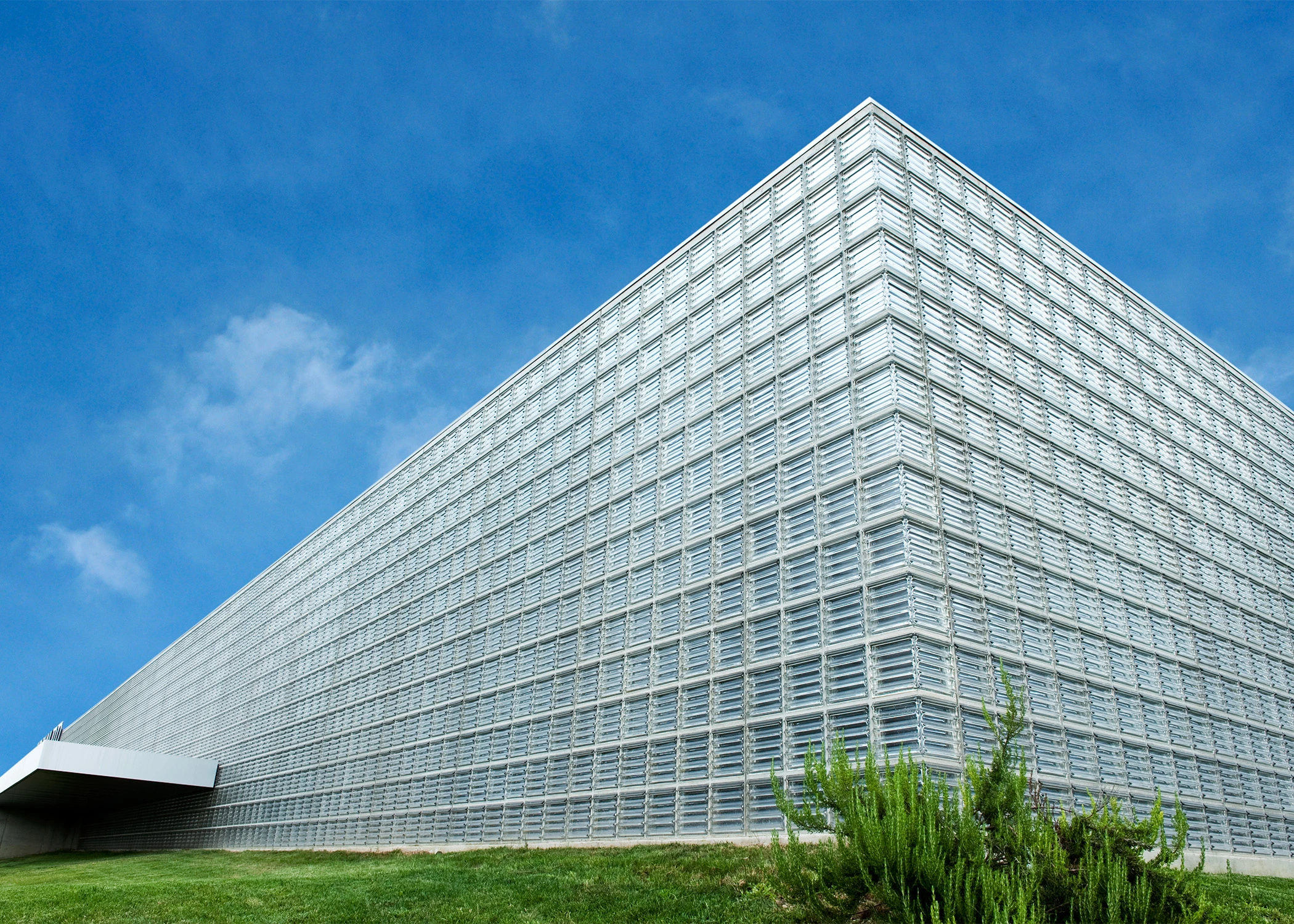
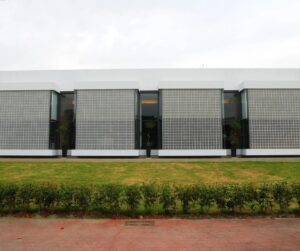
- Street-level retail and hospitality. A patterned facade draws the eye and screens the interior.
- Multifamily housing. Bathrooms, entries, and shared spaces gain light and privacy.
- Basements and lower levels. Small openings let in light without an easy point of entry.
In each case, the window is part of the design story. It is not just an opening in the wall.
The Benefits of a Glass Block Window
Light Without Exposure
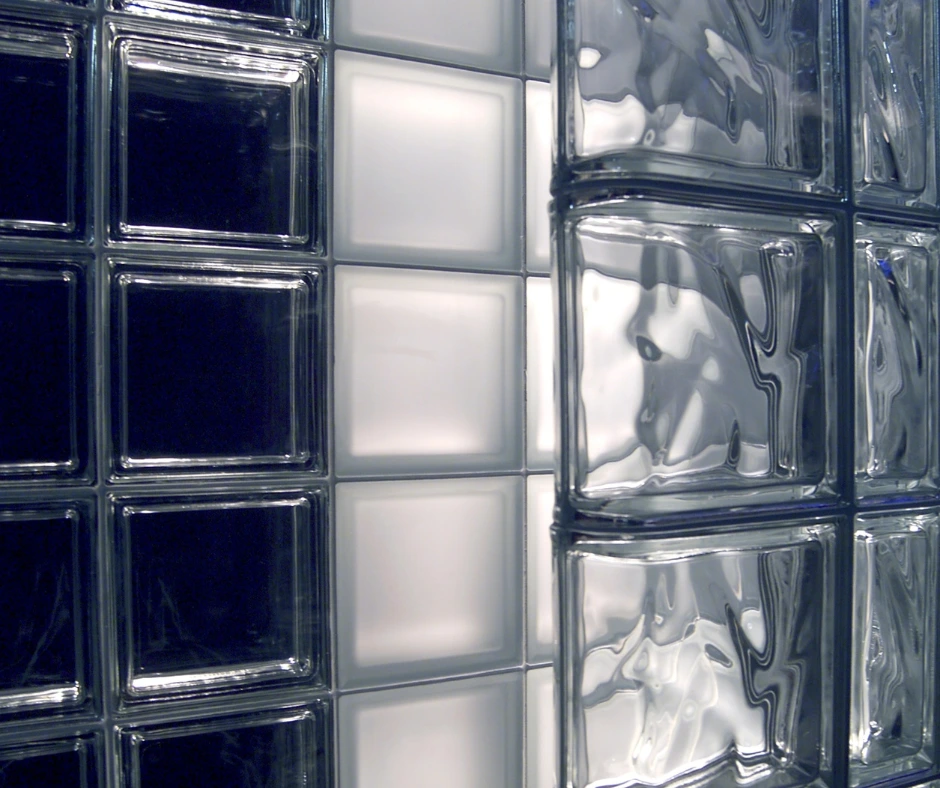
Glass block spreads daylight across a room. The pattern on the face of each block scatters the light. Faces and shapes on the other side stay blurred. You get a bright space and a private one at the same time.
Strength and Security
Glass block is thick and solid. A block panel is much harder to break through than a standard window. This makes it a smart choice for lower floors and street-facing walls.
Low Maintenance
A glass block window has no sash to stick. It has no blinds to dust or replace. A simple wipe keeps the glass clean. Ask your installer about the right cleaners for the joint material.
Thermal and Sound Control
Each block has a sealed hollow core. That air space helps slow heat transfer and dampen outside noise. Check the technical data for each Seves product when performance targets matter on a project.
Design Freedom
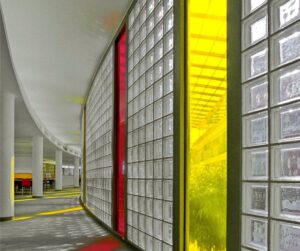
The block is a module. Panels can be square, tall, wide, or curved. Color and pattern can change across the panel. This turns a basic window into a feature.
Choosing Seves Block for Your Window
The right block depends on how much light, privacy, and color the space needs. Start with these questions.
How Much Privacy Does the Space Need?
Clear and lightly patterned blocks let in the most light. They also show more of the view. Heavier patterns blur the view more. Pick the pattern based on what sits on the other side of the window.
Should the Window Add Color?
Seves offers three ways to bring color into a glass block window:
- Colored Glass. The glass of the block contains the color.
- Pegasus. Full body color runs through the whole block.
- Pegasus Metalized. Full body color with a metalized finish.
Each option gives the window a different look. Pick the effect that fits the space, then choose the shade.
Will You Mix Blocks?
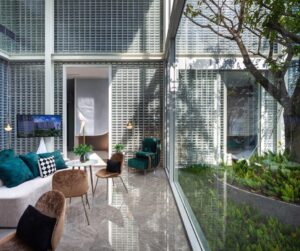
A window does not need to use one block. Designers can mix clear and colored blocks.
They can set a band of color across a clear panel. They can build a pattern that ties into the brand or the building. The modular size of the block makes these layouts simple to plan.
High Performance Blocks for Demanding Windows
Some windows have to do more than let in light. They may need to save energy, hold back fire, or stand up to flying debris. Seves High Performance line was built for these jobs. It includes three families: Energy Block, Fire Rated Blocks, and Impact Block.
Energy Block
Energy Block is made for projects where thermal performance matters. It helps a glass block window work harder on comfort and efficiency while keeping the light and privacy that glass block is known for.
Use it in:
- Exterior walls with large block panels. Daylight comes in without a big penalty for heating and cooling.
- Projects with energy code targets. Teams can pair the block with their performance goals.
- Spaces facing harsh sun or cold weather. Occupants stay comfortable near the window.
Fire Rated Blocks
Fire Rated Blocks let a window go where a standard window cannot. Some walls and openings must slow the spread of fire from one space to the next. These blocks make it possible to keep daylight in those locations.
Use them in:
- Corridors and stairwells. Light moves through the building, and the rated assembly stays in place.
- Walls between tenant spaces. Daylight is shared across a rated separation.
- Property line walls. Code often limits openings here, and rated block can help meet those limits.
Fire ratings apply to the full tested assembly, not just the block. The panel size, the installation method, and the joint materials all matter. Confirm each detail against the Seves technical data and your local code.
Hurricane Resistant Block
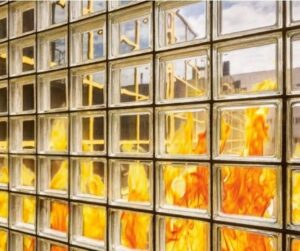
Hurricane Resistant Block is designed for places where windows face high winds and flying debris. It lets a glass block window stand up to severe storms while keeping the clean look of a block panel.
Use it in:
- Coastal and hurricane-prone regions. Windows must meet local requirements for wind and debris.
- Ground-level and street-facing walls. Extra strength adds peace of mind.
- Schools, healthcare, and public buildings. Storm safety often shapes the window design.
Storm performance depends on the full assembly and on local code. Check the Seves technical data and approvals for your region before you specify the block.
Choosing the Right High Performance Block
Start with the main job the window has to do.
- Need better thermal performance? Look at Energy Block.
- Need to meet a fire rating? Look at Fire Rated Blocks.
- Need protection from a hurricane? Look at Hurricane Block Windows.
These blocks still follow the same design rules as the rest of the Seves line. Panels can be sized to fit the opening, and the finished window keeps the light and privacy glass block provides. Because performance requirements vary by project and by jurisdiction, review the Seves technical data and approvals early. Then bring in your installer to confirm the right assembly and install method.
How a Glass Block Window Comes Together
There are two main ways to build a glass block window.
- Mortar. A mason sets each block in mortar, course by course. Skilled masons can build a window in a day.
- Mortarless. The installer uses glass block silicone, spacers, anchors, and perimeter channels. Since the frame attaches the window on all four sides, you can finish it with grout or silicone.
Mortarless is not always the faster choice. Silicone needs time to set up. A skilled mason with mortar can often match or beat that pace.
Work With a Qualified Installer
A local glass block installer or mason brings the design to life. Bring them in early. They can confirm the rough opening, the block count, and the right install method for the project. Have your team review the Seves technical data with the installer before ordering.
Design Your Next Window With Seves
A glass block window can be quiet and simple. It can also be bold and full of color. Either way, it starts with the block.
Seves glass block gives architects and developers the freedom to design a window that fits the project. Explore the Seves collections and start planning your next glass block window today.