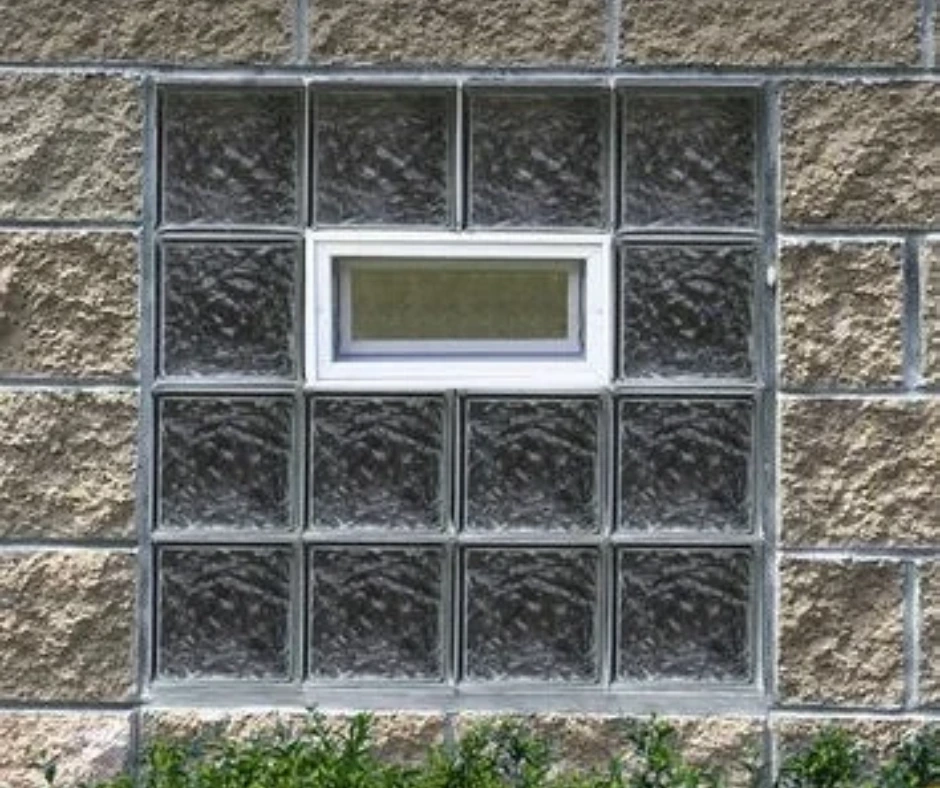
When designing with glass block, thickness plays a bigger role than you might think. It impacts everything from structural performance and insulation to aesthetics and application. Whether you’re working on a residential renovation or a large-scale commercial build, understanding the differences in glass block thickness will help you choose the right solution with confidence.
The Basics: 3″ vs. 4″ Glass Block
Glass blocks are most commonly available in two standard thicknesses: 3-inch (approximately 80mm) and 4-inch (approximately 100mm).
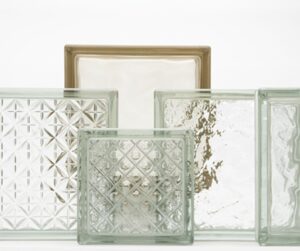
3″ Glass Block (80mm)
This thinner profile is often used in residential applications where space efficiency. It offers a sleek, modern appearance while still providing privacy and natural light. These blocks are ideal for:
- Interior partitions
- Shower walls
- Decorative features
- Areas where wall depth is limited

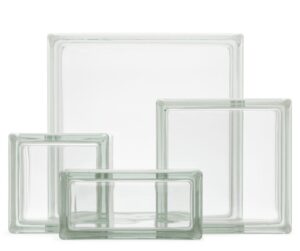
4″ Glass Block (100mm)
When comparing 3″ block to 4″ block, the insulation rating, R value, U value, SHGC is the same. The thicker option is commonly specified for projects that require greater performance, making it a preferred choice for:
- Exterior walls
- Commercial buildings
- Security applications
- Areas exposed to weather or higher impact
What Contributes to Glass Block Thickness?
Glass block thickness isn’t just about size—it’s the result of several design and performance considerations:
Manufacturing Standards (Imperial vs. Metric)
Glass blocks are manufactured using both imperial (inch-based) and metric (millimeter-based) sizing systems.
- Metric (80mm / 100mm) blocks are the global standard, commonly used in Europe and Asia for commercial and architectural projects. Their sizing aligns with metric-based construction practices, making them ideal for large-scale builds.
- Imperial (3″ / 4″) blocks are more prevalent in North America, where they integrate easily with other inch-based building materials.
While both options offer the same performance and functionality, selecting the appropriate system for your region ensures a smoother installation and better compatibility with surrounding materials.

Style Meets Function: How Design Impacts Thickness
Different glass block styles can also influence perceived and functional thickness:
Pattern & Design Variations
From wavy and geometric patterns to smooth and clear finishes, the face design doesn’t change the core thickness—but it can affect light diffusion, privacy, and visual depth.
Choosing the Right Thickness for Your Project
Selecting between 3″ and 4″ glass block ultimately comes down to application:
- Residential interiors: 3″ blocks offer flexibility, lighter weight, and a refined look
- Exterior or commercial use: 4″ blocks provide the strength and performance needed for demanding environments
- Design-driven spaces: Either option can work depending on the desired aesthetic and functional requirements

The Bottom Line
Glass block thickness is more than just a measurement—it’s a key factor in performance, durability, and design. By understanding the differences between 3″ and 4″ blocks, as well as the role of metric vs. imperial sizing, you can make informed decisions that elevate both form and function.
At Seves Glass Block, we offer a wide range of solutions engineered to meet the needs of both residential and commercial projects—helping you bring light, privacy, and structure together seamlessly.