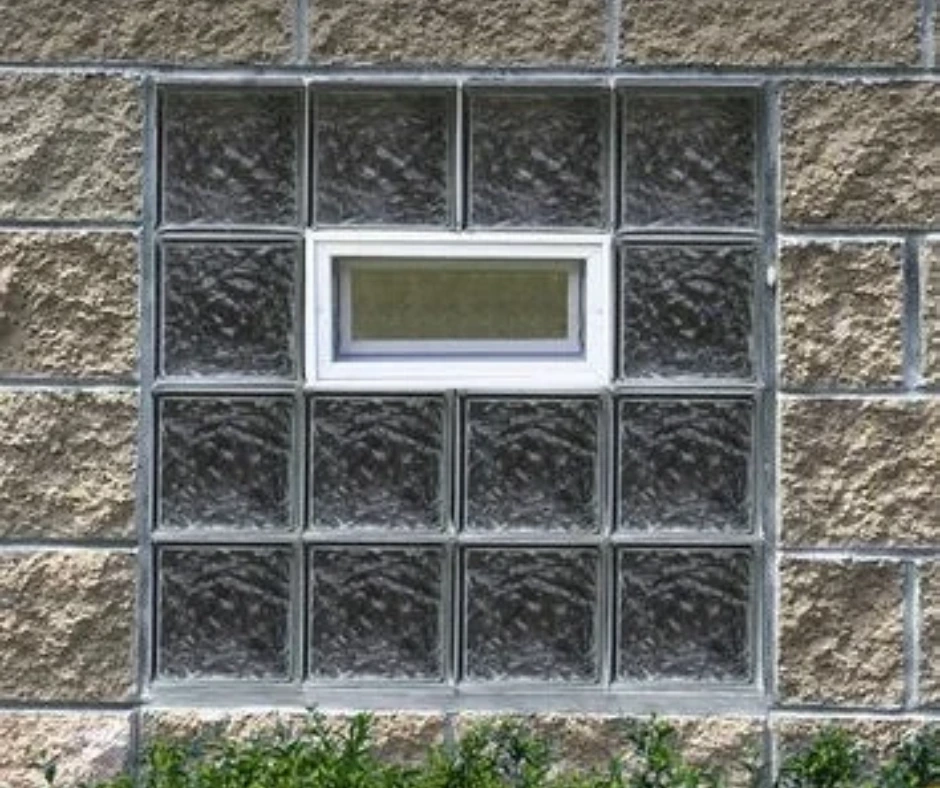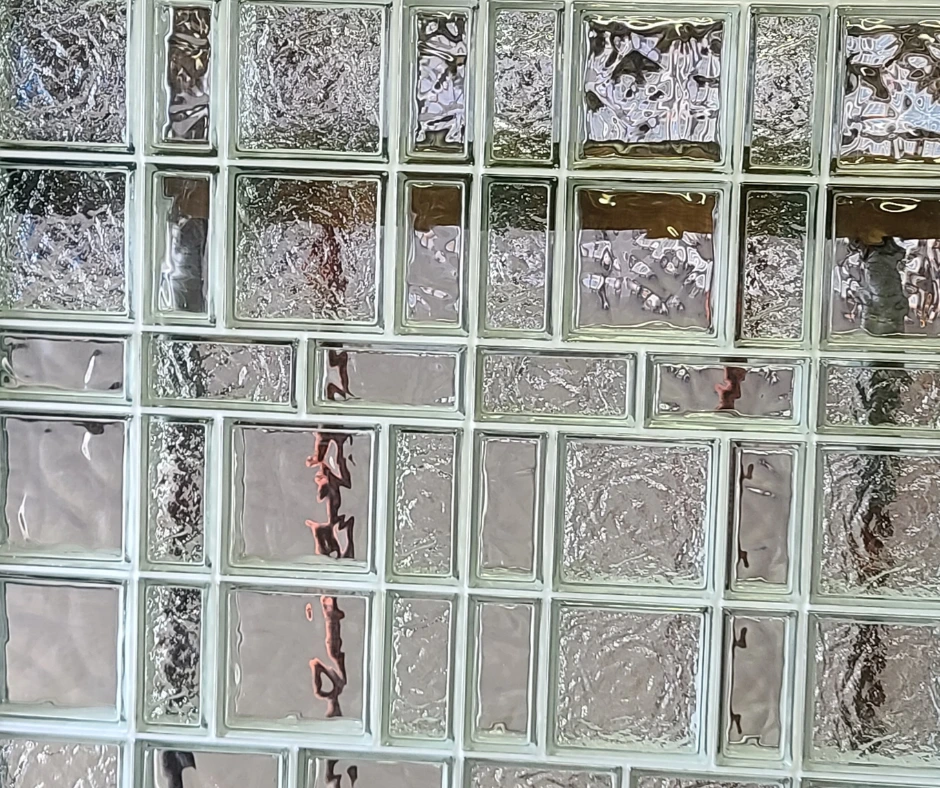
Glass block dimensions come in two sizing systems. Architects and developers who specify glass block need to know the difference before they finalize a project. The right choice depends on region, project type, and the materials around the installation.
Two Standards, One Material
Glass block dimensions follow either an imperial system based on inches or a metric system based on millimeters. Both systems produce blocks with the same structural performance, light transmission, and durability. The difference is dimensional, not functional.
Metric block (80mm / 100mm) is the global standard. Europe and Asia build with metric dimensions. Metric block fits directly into commercial and architectural projects in those regions.
Large-scale builds benefit from this alignment. Framing, masonry coursing, and every other material on the job follow the same metric grid.
Imperial block (3 inch / 4 inch) dominates in North America. Inch-based framing, masonry, and finish materials are the regional standard, so imperial block fits without conversion or adjustment.
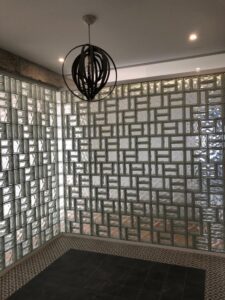
Why Dimensions Matter for Structural Coursing
Glass block does not stand alone in a wall system. Every course of block sits within a rough opening built from surrounding materials. Those materials follow the dimensional standard of the region.
A mismatch between glass block dimensions and the surrounding grid creates problems on site. Contractors must alter opening, add shims, or adjust mortar joints to close the gap.
This matters most on large commercial jobs, where dozens or hundreds of block panels repeat across a facade. A small dimensional mismatch on one panel becomes a large cumulative error across an entire wall. Matching glass block dimensions to the local standard from the start removes that risk before construction begins.
Metric and imperial block also differ slightly in module size beyond the headline 80mm, 100mm, 3 inch, and 4 inch figures. Manufacturers publish exact dimensions, mortar joint allowances, and coursing charts for each system. Architects should pull these figures directly from the manufacturer rather than converting one system to the other by hand. Rounding errors compound across a full wall.

Sourcing and Availability
Regional sourcing also shapes which system a project uses. Distributors in metric-standard regions stock metric block as the default. Imperial block often requires a special order with longer lead times and higher shipping costs in those regions.
The reverse is true in North America. Imperial block sits on distributor shelves, and metric block requires advance planning.
Project timelines should account for this. Architects should specify the locally stocked system for a commercial project on a tight schedule. An international project with a longer runway has more flexibility. It can source the system that matches the design intent, even if it means importing block from another region.
Commercial vs Residential Application
Metric block shows up most often on commercial and architectural projects, particularly outside North America. Large builds run on metric coursing from the ground up. Specifying metric block keeps the glass block system consistent with structural and finish materials on the same job. Architects working on international commercial projects, or firms coordinating with European and Asian supply chains, typically default to metric.
Imperial block is more common in North American residential and light commercial work. The United States and Canada build homes, additions, and smaller commercial spaces on an inch-based grid. Imperial block requires no special coordination with surrounding materials.
This is a general pattern, not a hard rule. Large commercial developments in North America can still specify metric block when the design calls for it. Metric-standard regions also build residential projects with metric block as the default. The deciding factor is the surrounding construction system, not the building type alone.

Choosing the Right System
Before specifying glass block, confirm which dimensional standard governs the rest of the project. Matching glass block dimensions to that standard prevents coursing mismatches, simplifies installation, and keeps the project on schedule.
A few questions help narrow the decision early in the design process:
- What region is the project in, and what dimensional standard does local construction follow?
- Will the project source materials locally or import from another region?
- Does the design call for a specific aesthetic module size that only one system offers?
Answering these questions before the schematic design phase avoids costly changes later in construction documents.
Architects working across multiple regions should also standardize their glass block dimensions within a single project. Do not mix metric and imperial block on the same job, even in different areas of a building. Mixing systems creates coordination problems for contractors and raises the risk of ordering errors. Pick one system per project and hold to it through construction.
Seves manufactures glass block in both metric and imperial dimensions. Architects and developers can specify the system that fits their project without compromising on performance. Every project gains the flexibility to match local construction standards. Structural and aesthetic quality stay the same across regions.