For decades, glass block carried a reputation rooted in the past—functional, durable, but often associated with dated designs. Today, that perception has shifted dramatically. Modern glass block has evolved into a refined architectural material, embraced by designers and architects for its ability to balance light, privacy, texture, and structure in strikingly contemporary ways.
From minimalist interiors to bold exterior façades, modern glass block is proving its relevance in today’s design landscape.
What Modern Glass Block Looks Like Today
Modern glass block is defined less by ornamentation and more by clean geometry, precision, and light performance.
Today’s designs feature:
- Slimmer profiles and sharper edges that align with modern architectural lines
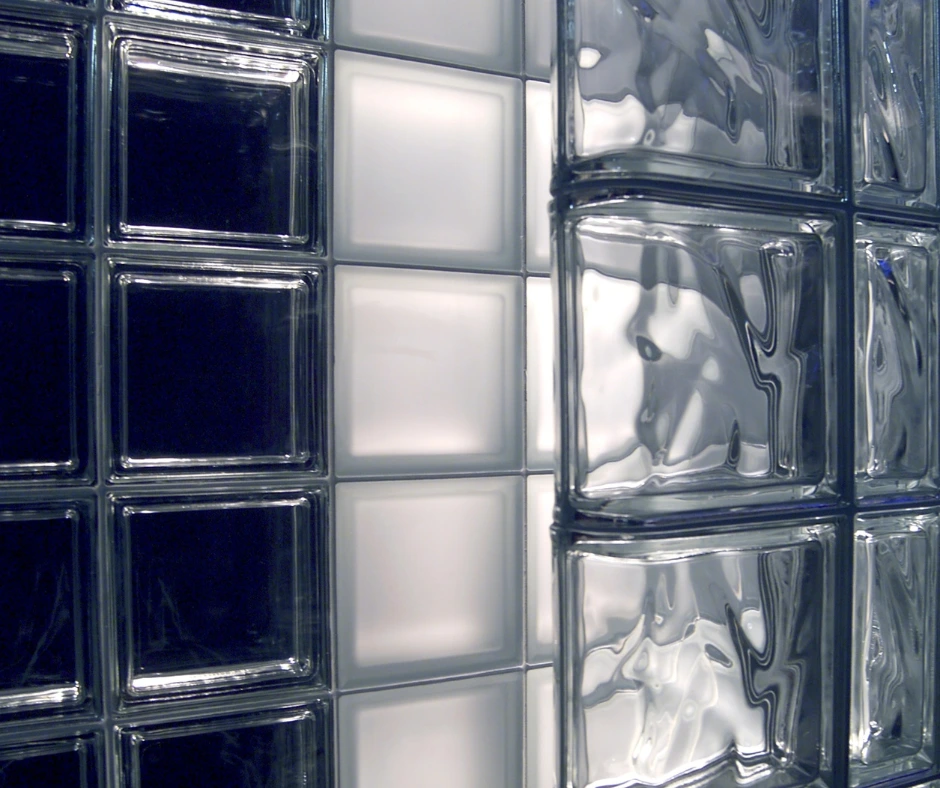
- Refined textures that diffuse light softly rather than distort it
- Neutral and subtle color tones, including clear, frosted, soft grays, and muted blues
- Consistent, modular layouts that emphasize repetition and rhythm
Rather than feeling heavy or retro, modern glass block installations feel intentional, airy, and architectural. When paired with minimalist materials like concrete, wood, steel, or stone, glass block adds depth without visual clutter.


Why Architects Are Using Glass Block Again
Modern architecture often demands materials that can do more than one job. Glass block excels because it offers:
- Natural daylight without direct views
- Visual privacy without sacrificing openness
- Durability and long-term performance
- A distinctive texture that changes with light
In an era focused on wellness, sustainability, and human-centered design, glass block helps create bright, comfortable environments while maintaining privacy and security.
Ways to Use Glass Block in Modern Architecture
1. Light-Filled Interior Walls
Glass block is increasingly used as an alternative to traditional interior partitions. In bathrooms, stairwells, hallways, and offices, glass block walls allow light to travel deeper into the space while maintaining separation.
This approach keeps interiors feeling open and calm—especially valuable in urban or multi-use buildings where access to daylight is limited.
2. Stairwells and Vertical Spaces
Stairwells are no longer treated as purely functional areas. Modern glass block transforms them into architectural moments by introducing light, texture, and rhythm along vertical surfaces.
The result is a safer, brighter space that feels intentional rather than overlooked.

3. Exterior Façades and Feature Walls
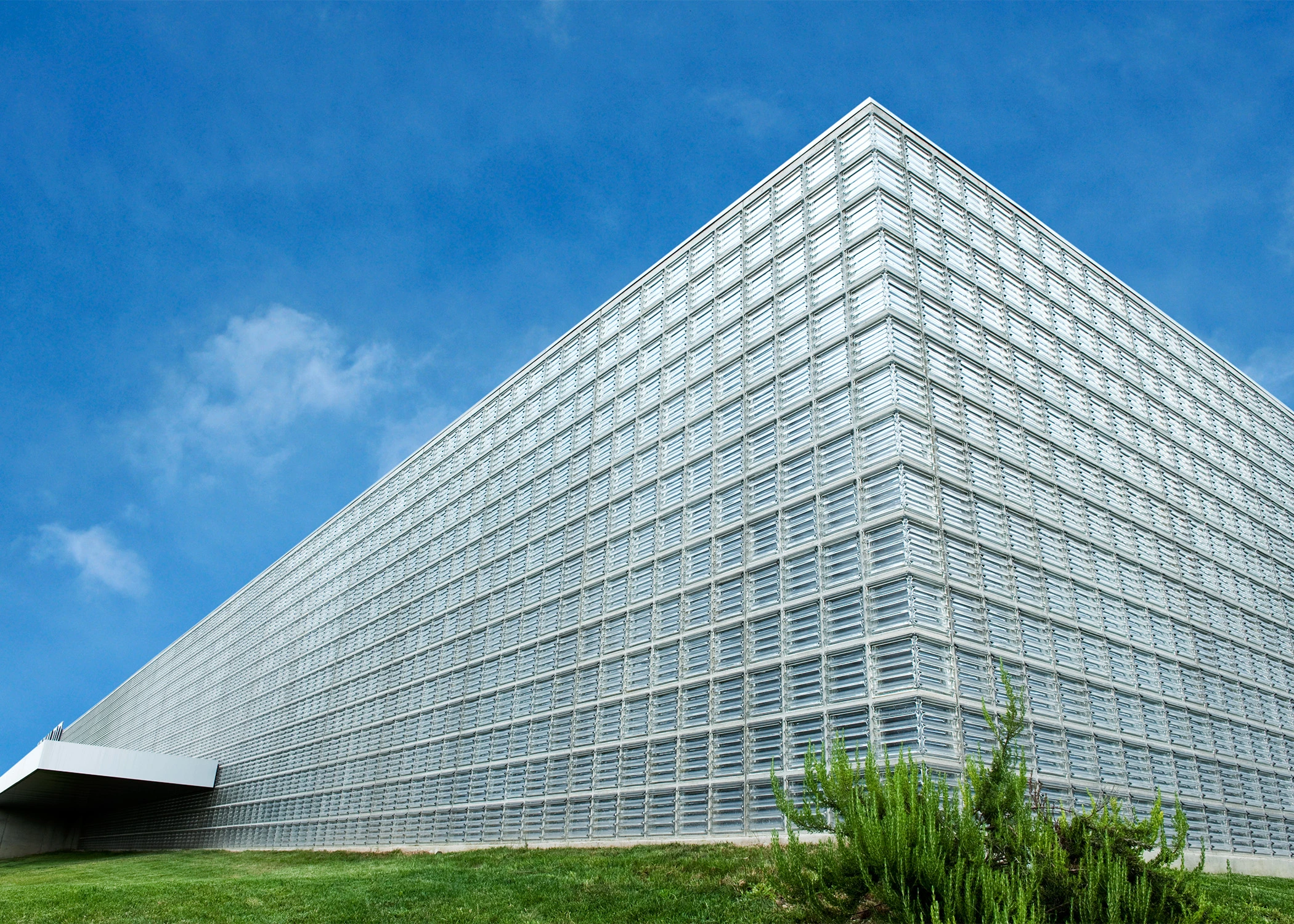
On the exterior, glass block can act as both a building envelope and a design statement. Large-scale installations create glowing façades during the day and illuminated landmarks at night.
Architects often use glass block on:
- Commercial buildings
- Cultural or institutional spaces
- Parking structures
- Mixed-use developments
These façades provide privacy, weather resistance, and visual impact—without relying on traditional curtain wall systems.
4. Bathrooms and Wellness Spaces
In modern residential design, glass block remains a favorite for bathrooms, spas, and wellness areas. It offers privacy where it’s essential while maintaining a bright, serene atmosphere.
Contemporary installations often feature:
- Floor-to-ceiling glass block walls
- Clean grout lines and tight spacing
- Neutral palettes paired with stone or wood
The result is a space that feels both private and open—ideal for modern living.

5. Daylighting in Unexpected Places
Designers are also using glass block in less obvious locations such as:
- Laundry rooms
- Home offices
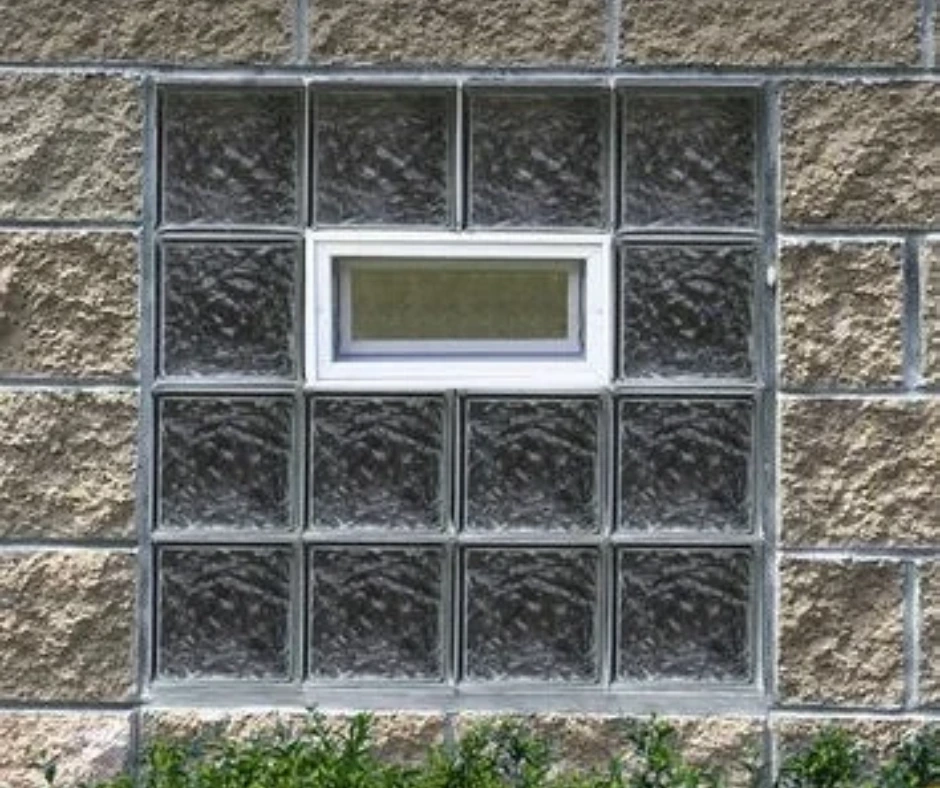
- Basements
- Garages
- Corridors and transitional spaces
By introducing diffused light into these areas, glass block elevates everyday spaces and improves the overall experience of the building.
The Future of Glass Block in Modern Design
Modern glass block is no longer about nostalgia. It’s about performance-driven design—using a proven material in smarter, more intentional ways. As architects continue to prioritize light, privacy, sustainability, and durability, glass block fits naturally into the conversation.
Whether used subtly as an interior partition or boldly as an exterior statement, modern glass block brings a unique balance of function and beauty that few materials can match.
Final Thought
Modern architecture isn’t just about new materials—it’s about rethinking familiar ones. Glass block has earned its place again, not as a throwback, but as a timeless solution reimagined for contemporary spaces.